Navigating Local Cleaning Regulations and Standards in MB


Understanding Local Regulations
Operating a cleaning business in Manitoba requires a thorough understanding of local regulations and standards. These guidelines ensure health and safety, not only for your clients but also for your employees. Familiarizing yourself with these regulations is crucial to maintaining compliance and avoiding potential fines or legal issues.
Manitoba's regulations cover a wide range of areas, including the use of cleaning products, waste disposal, and employee safety. By adhering to these standards, your business can provide high-quality services while contributing to a healthier environment.
Key Standards for Cleaning Products
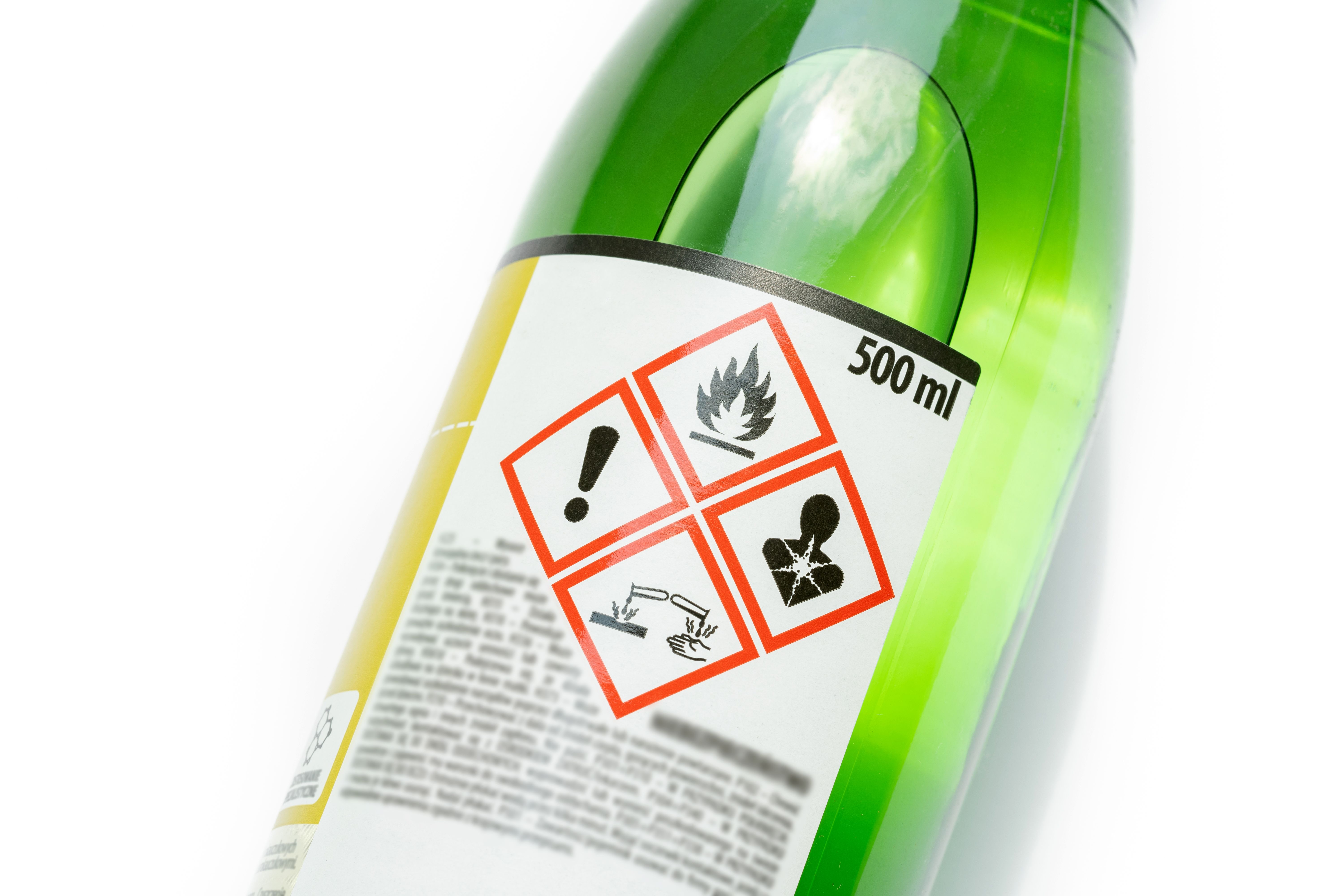
One of the primary concerns in the cleaning industry is the use of chemicals. In Manitoba, there are specific standards regarding which cleaning products can be used. These standards are designed to minimize environmental impact and ensure the safety of both workers and clients.
Businesses must prioritize environmentally friendly and non-toxic cleaning agents. This not only helps in complying with local laws but also appeals to an increasingly eco-conscious clientele. Consider implementing regular training for your staff on the correct usage and disposal of these products.
Waste Management and Disposal
Proper waste management is another critical aspect of local cleaning regulations. Manitoba has clear guidelines on how to handle and dispose of waste generated from cleaning activities. Failure to comply can result in hefty penalties.
To align with these regulations, ensure that your business has a robust waste management plan. This may include using designated bins for different types of waste and ensuring that hazardous materials are disposed of safely.

Employee Safety and Training
Employee safety is a top priority in the cleaning industry. Manitoba's regulations require businesses to implement comprehensive safety training programs. These programs should cover the safe handling of cleaning products, proper use of equipment, and emergency procedures.
Regular training sessions not only help in maintaining compliance but also empower your staff with the knowledge to perform their duties safely and efficiently. This can lead to improved job satisfaction and reduced turnover rates.
Inspection and Compliance
Regular inspections are conducted to ensure businesses comply with local cleaning regulations. These inspections assess various aspects of your operations, from product usage to employee safety protocols. Being prepared for these inspections is essential to avoiding disruptions.
Maintain detailed records of your compliance efforts, including training logs, product inventories, and waste disposal documentation. This documentation can be invaluable during an inspection.
Benefits of Compliance
While navigating local cleaning regulations may seem daunting, the benefits of compliance are substantial. Adhering to these standards enhances your business's reputation and builds trust with clients. Moreover, it helps in creating a safer and more sustainable work environment.
By staying informed and proactive, your cleaning business can thrive in Manitoba's competitive market, setting a benchmark for quality and reliability.