Common House Cleaning Myths Debunked by Experts


Understanding Common Cleaning Myths
Cleaning your home is a vital task, but misconceptions can make it more complicated than necessary. Let's explore some common myths about house cleaning and reveal the truth behind them. By debunking these myths, we aim to make your cleaning routine more effective and efficient.
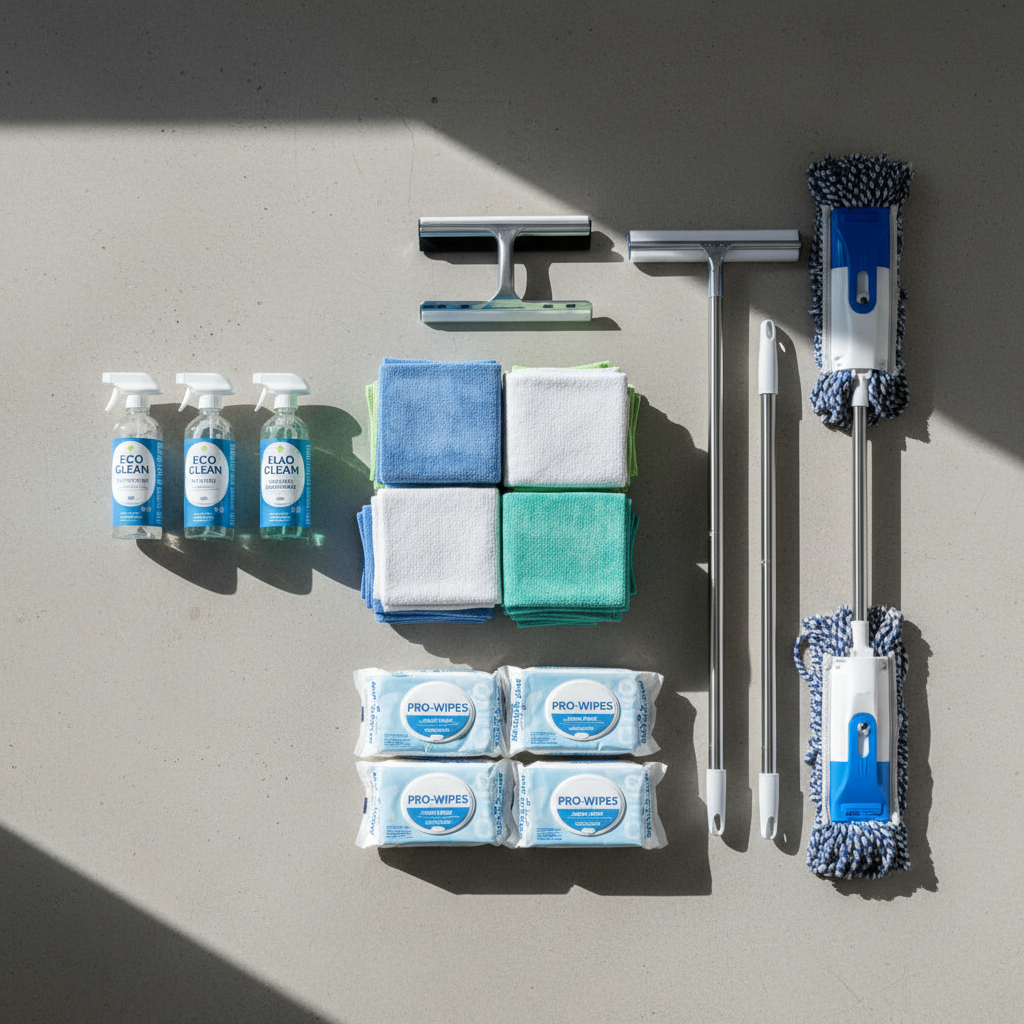
Myth 1: Vinegar Cleans Everything
While vinegar is often touted as a universal cleaner, it's not suitable for every surface. Though it's effective on glass and tiles, it can damage stone surfaces like granite and marble due to its acidity. Always check if vinegar is safe to use on a particular material before cleaning with it.
For stone surfaces, opt for pH-neutral cleaners to avoid any risk of etching or discoloration. Remember, using the right cleaner is crucial to maintaining the longevity and appearance of your home surfaces.
Myth 2: More Detergent Means Cleaner Clothes
It might seem logical to use more detergent for a more thorough clean, but this can actually have the opposite effect. Excess detergent can leave residue on clothes and build up in the washing machine, leading to unpleasant odors and potential damage.
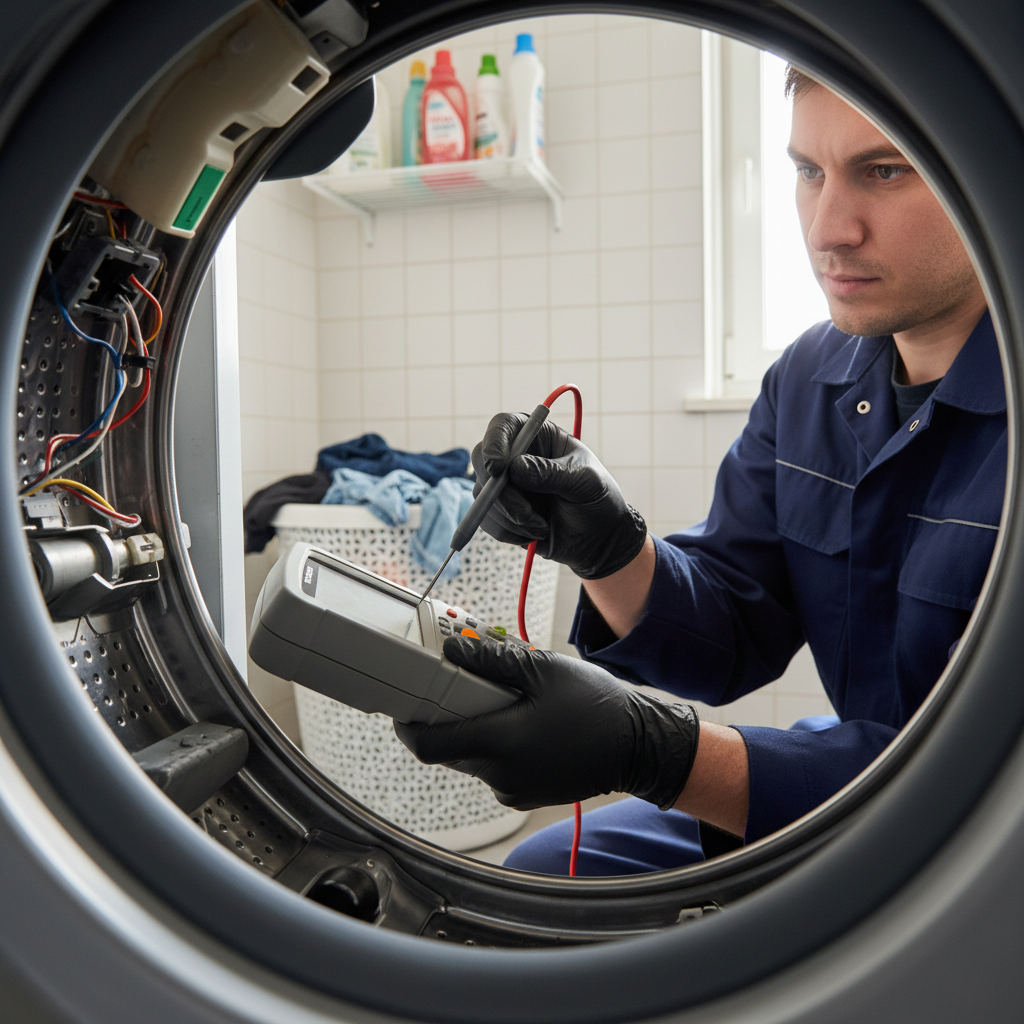
Follow the manufacturer's instructions regarding the amount of detergent to use. Sometimes, less is more, and using the recommended amount can ensure cleaner clothes without the buildup.
Myth 3: Bleach is the Best Disinfectant
Bleach is often seen as the ultimate disinfectant, but it’s not always the best choice. Although it is powerful against germs, it can be harsh on surfaces and people, causing damage and irritation. Additionally, bleach doesn't remove dirt, so cleaning the surface first is essential.
Consider using less harsh alternatives like hydrogen peroxide or other EPA-approved disinfectants. These options can be just as effective without the negative side effects.
Myth 4: Feather Dusters are Effective Dust Cleaners
Feather dusters may look elegant, but they often do more harm than good by spreading dust around rather than trapping it. Instead, use microfiber cloths, which are designed to capture dust efficiently and prevent it from becoming airborne.
Microfiber cloths are reusable and can be washed, making them an environmentally friendly choice. They’re also versatile, suitable for various surfaces from electronics to furniture.
Conclusion
By debunking these myths, we hope to simplify your cleaning routine and help you achieve a truly clean home. Understanding the right techniques and products to use can save you time, money, and effort. Remember, knowledge is key to effective cleaning!