Common Cleaning Mistakes and How to Avoid Them


Overusing Cleaning Products
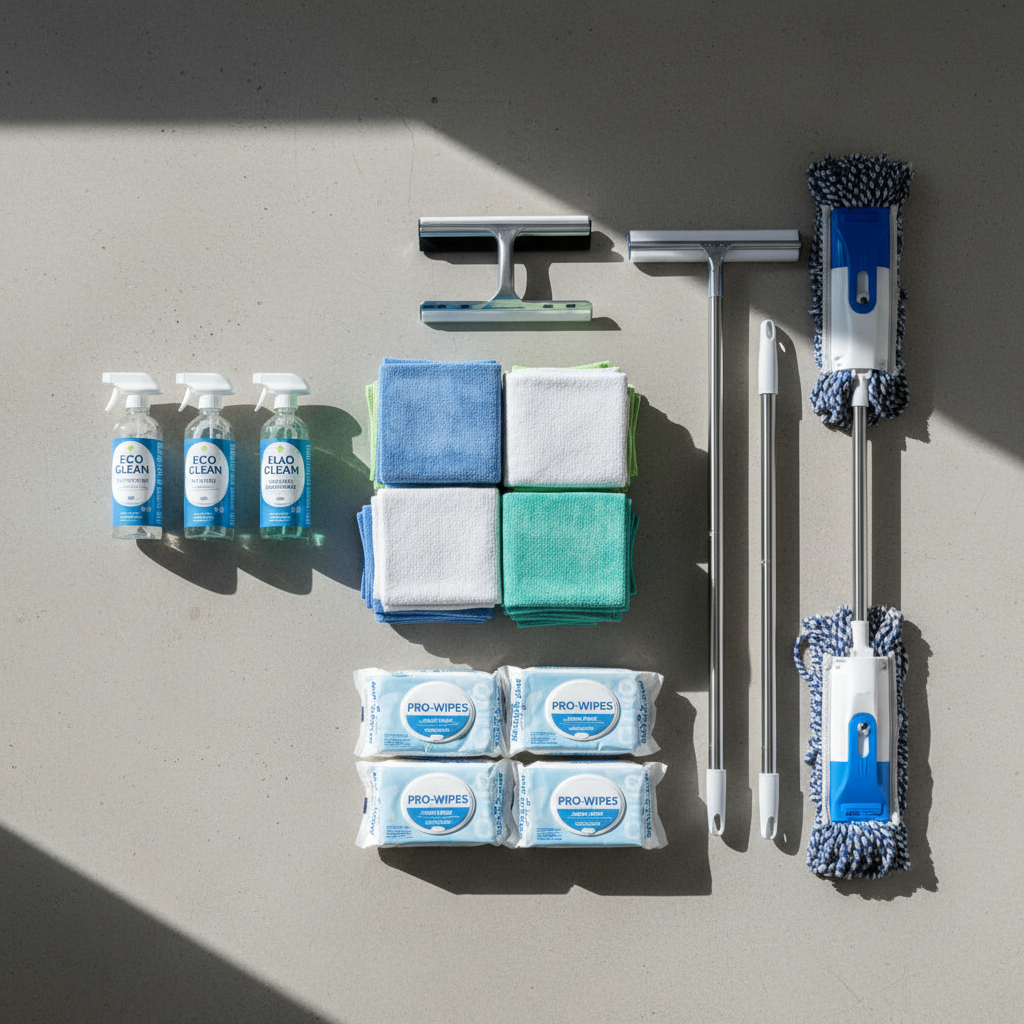
One common mistake is using too much cleaning product, thinking it will enhance the results. In reality, this can lead to residue build-up and even damage surfaces. Less is often more when it comes to cleaning solutions. Follow the manufacturer's instructions for the best results.
How to Avoid This Mistake
Measure the amount of cleaner you use and test it in a small area before applying it to larger surfaces. Opt for concentrated formulas that require less product to work effectively.
Using the Wrong Tools
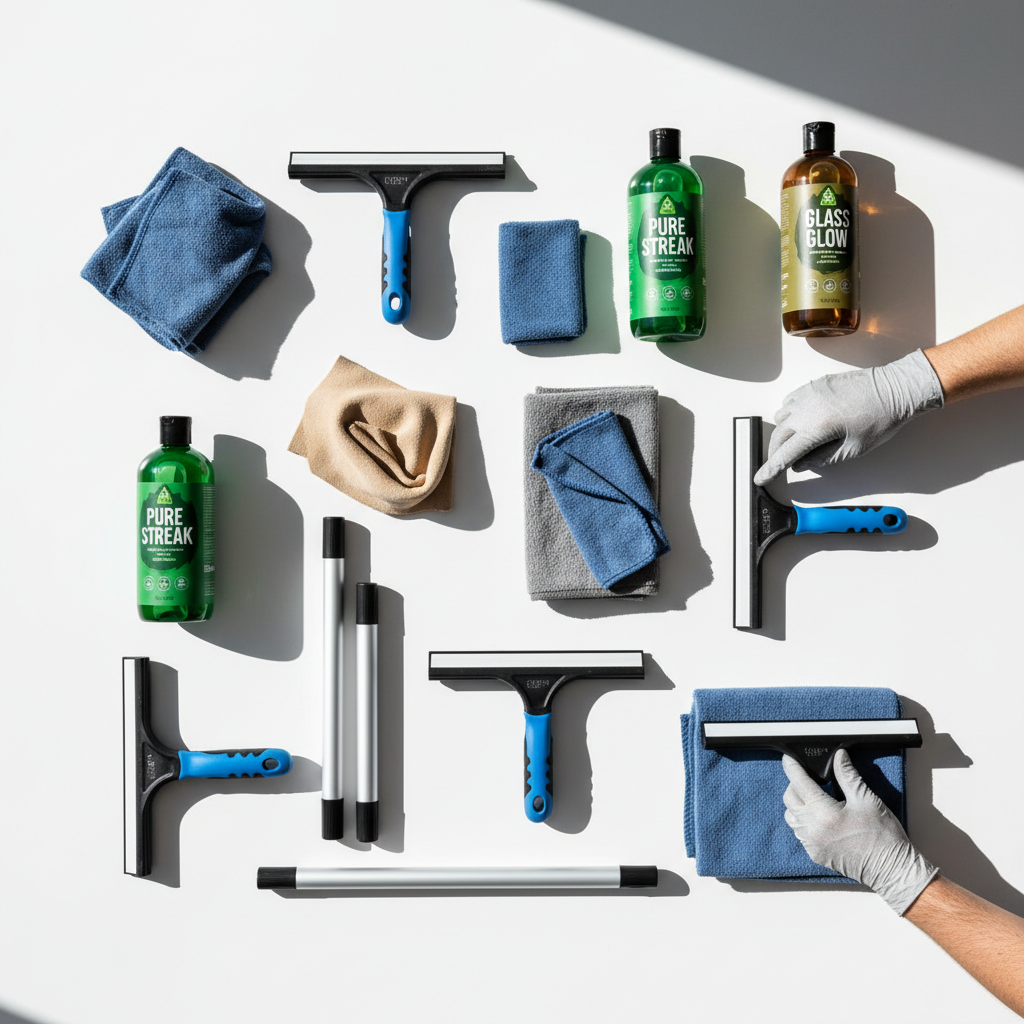
Not all cleaning tools are created equal. Using a hard-bristle brush on delicate surfaces can cause scratches, while using a soft cloth on tough grime might be ineffective. Choosing the right tool for each task is crucial.
How to Choose the Right Tools
Invest in a variety of cleaning tools, including soft microfiber cloths, scrub brushes, and sponges. Use soft materials for delicate surfaces and tougher tools for more stubborn dirt. Always read labels and guidelines for the best tools to use.
Ignoring High-Touch Surfaces
High-touch surfaces such as doorknobs, light switches, and remote controls often get overlooked during cleaning. These areas can harbor a lot of germs and bacteria, so it's important to clean them regularly.

How to Ensure Thorough Cleaning
Create a cleaning checklist that includes high-touch areas. Use disinfectant wipes or sprays specifically designed to eliminate germs on these surfaces. Consistent attention to these areas can help keep your environment healthier.
Neglecting Proper Ventilation
Many people clean without proper ventilation, which can lead to inhaling harmful chemicals. This can be detrimental to health, especially in poorly ventilated areas.
How to Ensure Good Ventilation
Open windows and doors while cleaning to allow fresh air to circulate. Use fans to help disperse fumes. Prioritize using eco-friendly products that have fewer harmful emissions.
Cleaning in the Wrong Order
Cleaning in a random order can lead to inefficient results. For example, dusting after vacuuming can cause dust to resettle on surfaces, undoing your hard work.
How to Clean Efficiently
Follow a top-to-bottom and left-to-right approach. Start with dusting and then proceed to vacuuming and mopping. This way, you ensure that dust and debris don't fall onto already cleaned areas.